April 15, 2012 — 1817

Paint schemes

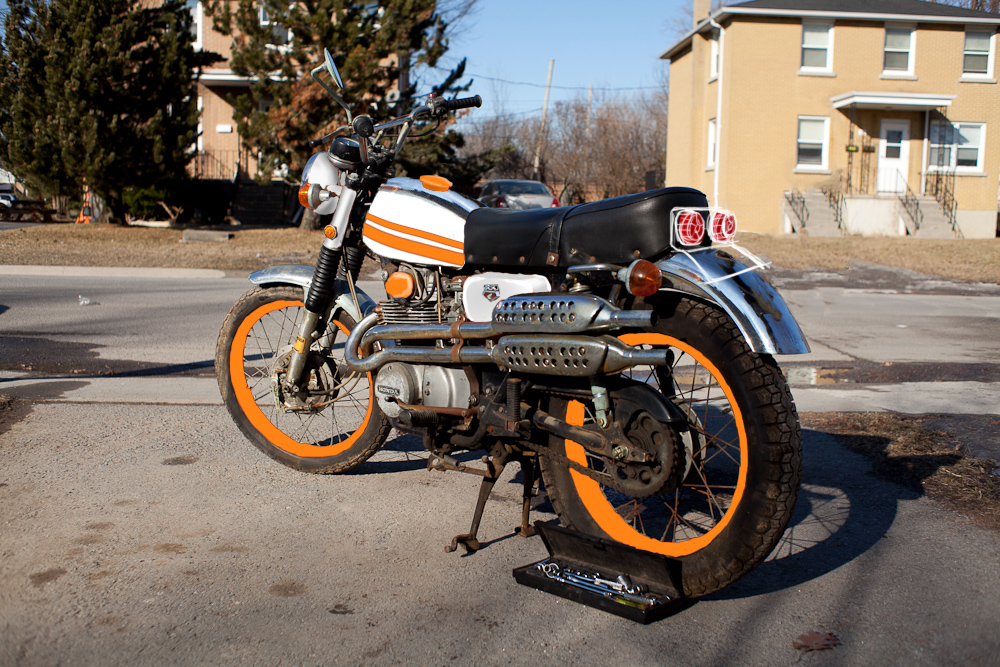
I’ve been doodling some potential paint schemes in Photoshop.

Doesn’t quite show what the finished bike would look like, given all the rust and corrosion and dirt that’s now gone, but close enough. The sketchy taillight is more or less what the new one I got looks like; it’ll replace the original, which broke when I backed it into the garage wall. Well, it was chunky and square anyway.

(more…)


March 23, 2012 — 2036

Melting paint

Took a bit of time to strip the damaged paint off the gas tank today. Dichloromethane is to lacquer paint as Alien blood is to the deck plating of a spaceship:

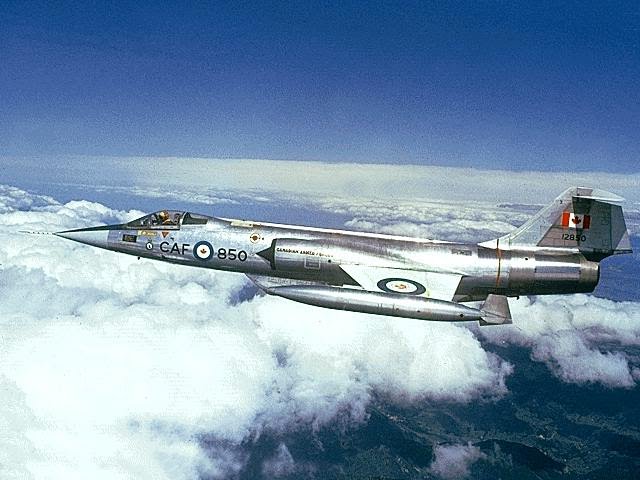
I kind of like the bare steel underneath, so I think that rather than painting it, I might just polish it up and wax or clearcoat it. Maybe bare metal with a few colored accents here and there, like 1960s supersonic interceptors? Could be pretty cool.


March 21, 2012 — 2059

It’s alive!

Thirty years of sitting untouched in a barn, one month of cleaning and refurbishment…and it starts up on the first kick. How’s that for Honda reliability?

(more…)


March 20, 2012 — 2320

Engine work

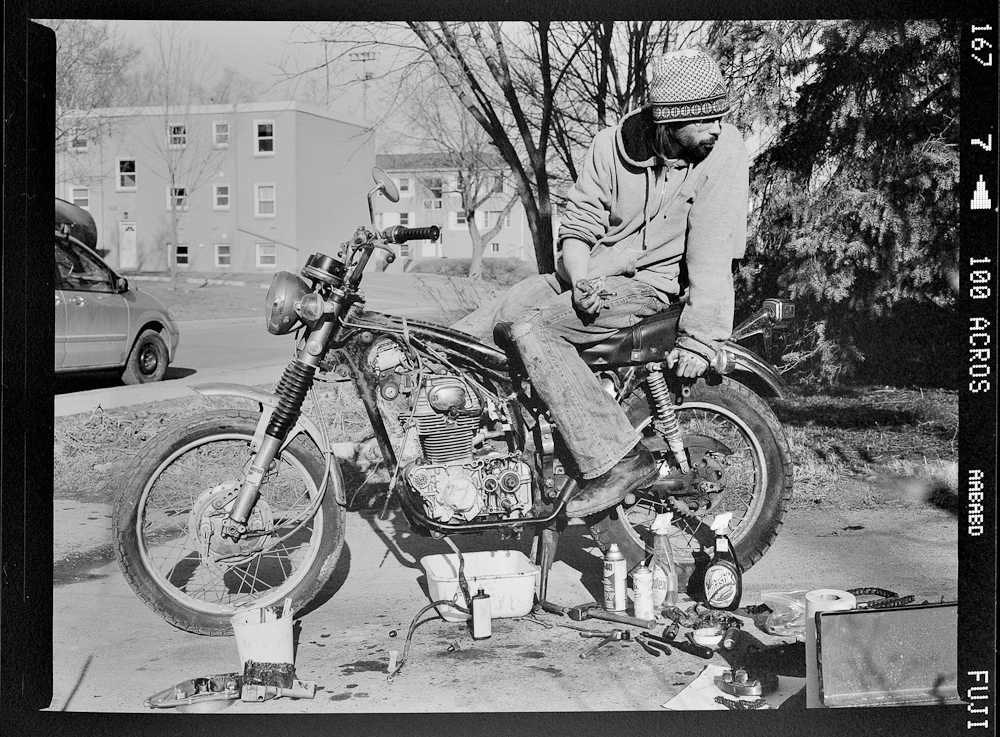
Dad got a new camera, a Bronica ETR medium-format. Really nice lenses, and very cool how it separates into a bunch of different parts. Here’s me working on the bike:


March 18, 2012 — 2342

Electricals

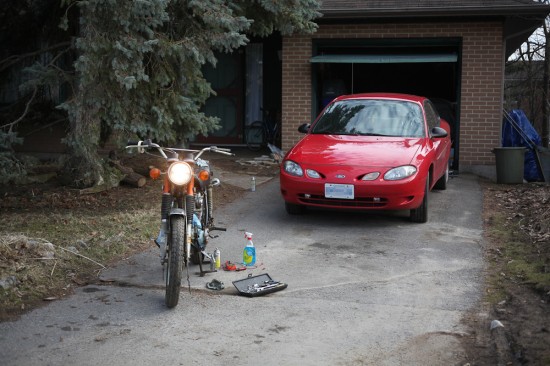
Another beautiful spring day, more work on the motorcycle. Since I’m still waiting for those stainless steel bolts to arrive (argh), I figured I’d do some miscellaneous cleaning and work on the electricals. Mostly just tweaking things and getting them working properly.

I fixed the headlight wiring; easy, just some disconnected connectors but what a rat’s nest it was inside there

(see the cute little driving lights?)

(more…)


March 13, 2012 — 1047

De-rusted gas tank

Decided that 5 days of electrolysis was probably enough for the gas tank. After all, I wasn’t trying to strip any really serious thick rust…just clean up the surface and brighten the metal in general. Well, it worked!

Before:

After:

(more…)


March 11, 2012 — 1918

Alternator and sprocket cases

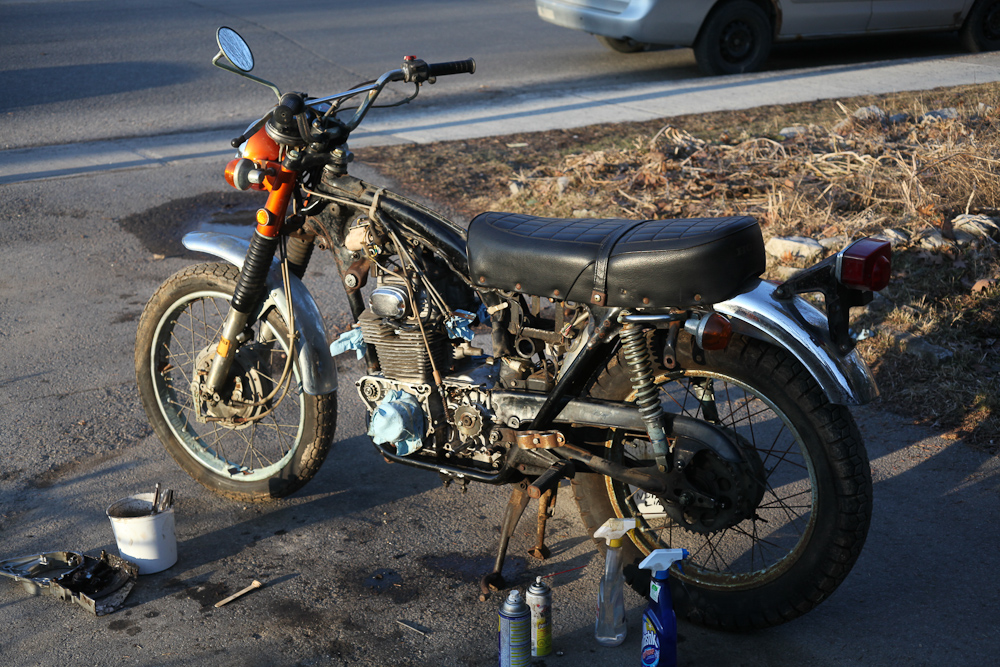
Today was a wonderfully warm day, so I was actually able to work on the whole bike instead of just little pieces taken inside. Got the oil drained first thing — good, it’s still liquid. I believe this is actually the original oil from 1980, because the guy I bought the bike from didn’t say anything about changing the oil and there weren’t any fresh marks on the drain bolt. Next, I started taking the side covers off to get as much of the old oil out as possible, and to clean the oil filter. Do NOT try to do this without an impact driver…even with plenty of liquid wrench, the screws were well and truly jammed in there, and the JIS heads strip at the slightest provocation. Luckily, a few good whacks from the impact driver loosened them all up.

(more…)


March 07, 2012 — 0132

Electrolytic rust removal

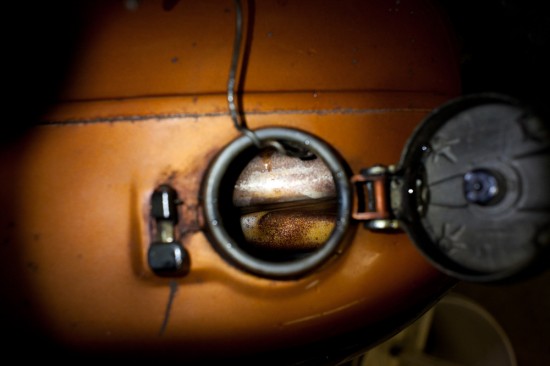
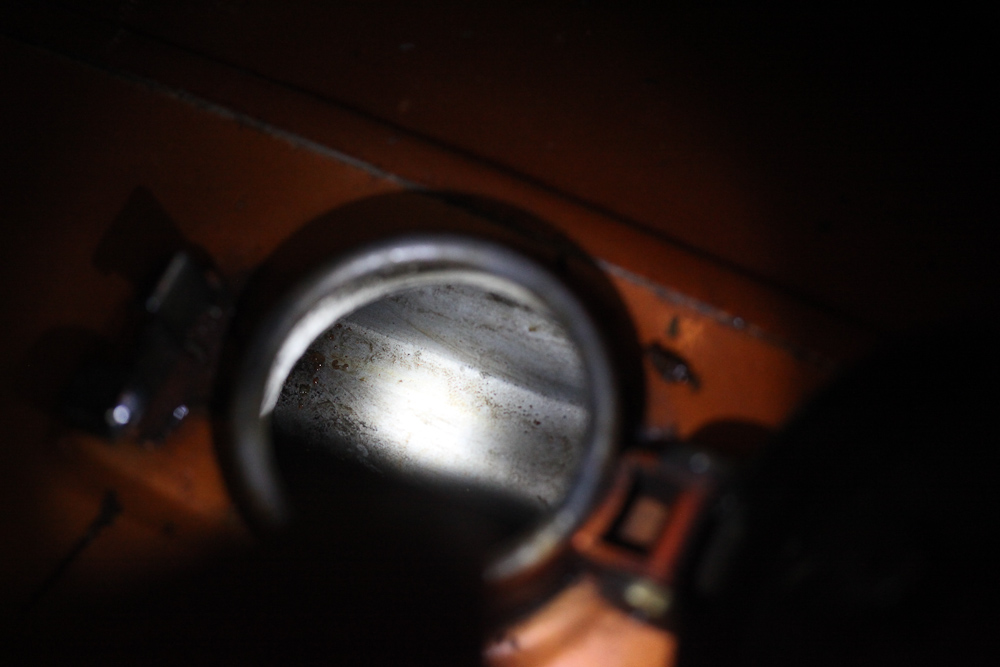
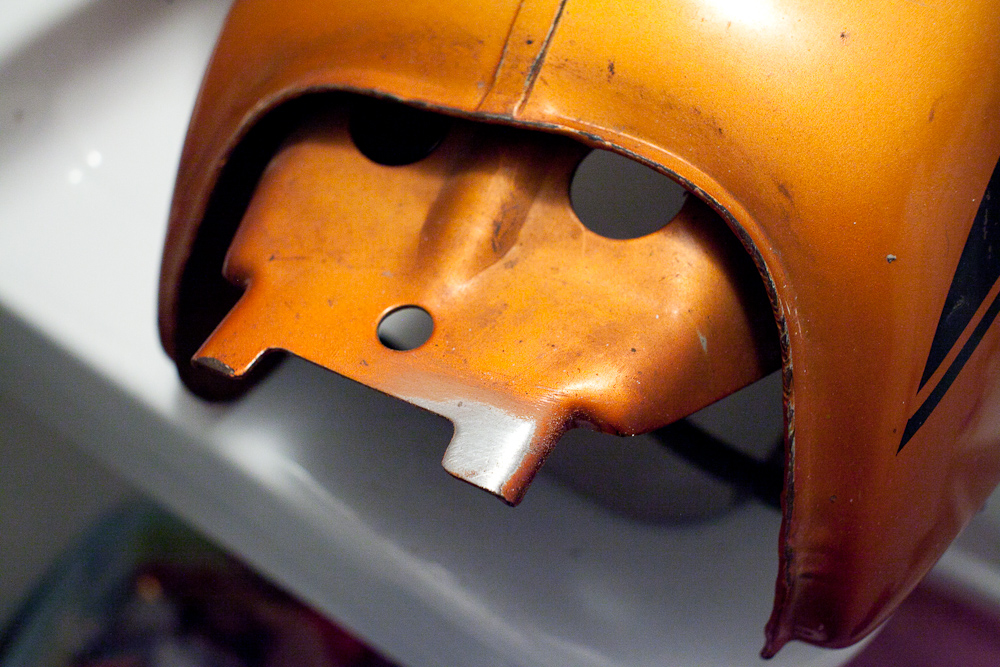
So, the inside of the motorcycle’s gas tank is fairly rusty. Not so much that it’s falling apart, but there’s enough surface rust and gunk that I’d be concerned about particles floating into the fuel system and clogging something up. Clearly I must clean the inside…except this is a sealed metal bubble with no hole in it bigger than 5cm, and the inside shape is surprisingly complicated (the better to fit around the electrical parts that sit just below it on the frame). How can I reach all those corners to remove the rust?

Electrically! By filling the gas tank with an electrolyte, floating an anode in the liquid, and using the tank itself as an cathode, we can electrically convert the rust back into elemental iron, which is only loosely bound to the underlying metal and can be scraped off very easily. You can’t repair rust damage this way, but the process will only attack oxidized iron, so at the end you’ll be left with a relatively clean piece of bare steel showing pitting or roughness where the rust was.

First, sand off some of the paint on part of the tank, exposing the bare metal. This is where you’ll make the cathodic connection.

(more…)


February 18, 2012 — 0038

Carburetor disassembly

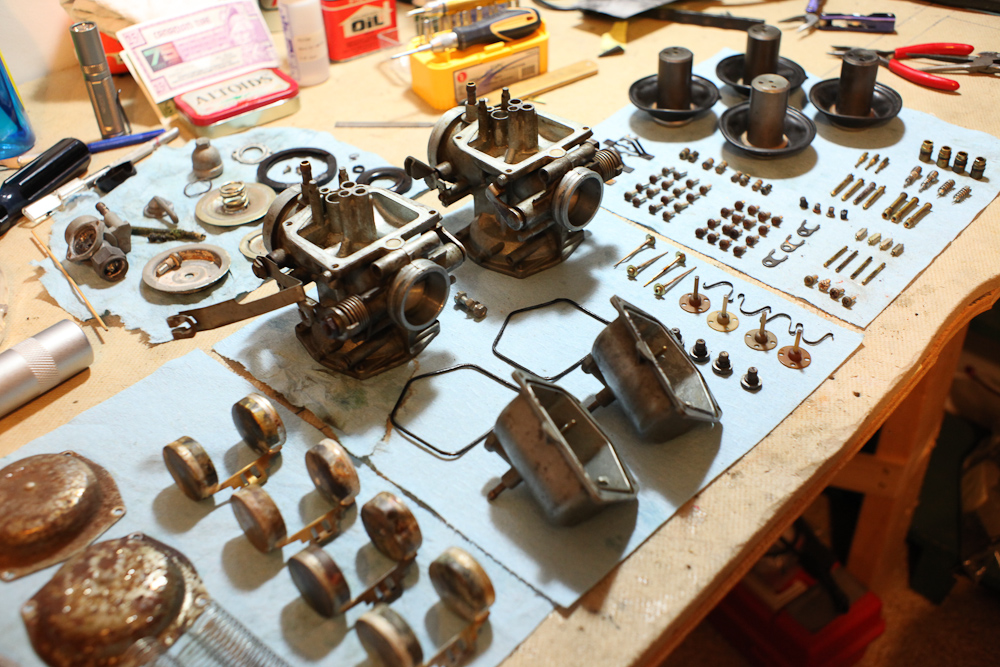
Finally! A full can of carb cleaner, half a can of WD-40, four days of soaking, many hours of scrubbing and scraping, and a couple of damaged jets and stripped screws later, I have the carburetors disassembled and cleaned of all that sticky tar.

There are parts from all four carbs laid out there. The two missing bodies and float bowls, the “spares”, are still soaking; turns out that dry corrosion is much worse for moving parts than 30 years of semi-liquid gum and varnish. Corrosion eats right into the parts, chemically bonding them together and ruining surface finishes, but that black tar did a surprisingly good job of preserving whatever it was sitting on. Though a couple of minor pieces were damaged in removal or just plain fell apart from age, all told I have more than enough pieces to make two good-condition Keihin 722As and maybe a third.

Next step — reassembly! And maybe polishing the outsides if I can pick up some more polishing compound for the Dremel. I’ll probably end up painting those badly rusted top covers (far left) but the rest of it would look just fine as bare, clean aluminum, I think.


February 14, 2012 — 2358

Old gasoline

I pulled the carburetors off the motorcycle today to start cleaning them, and found that I couldn’t get the float bowls off. Opening the top covers revealed that the CV diaphragms were also frozen in place for some reason — not good. After some pounding with a plastic mallet and some spirited twisting, I managed to get the float bowls separated from the main housing:

That’s…not a good sign.

Well, there’s your problem! Somebody tried to fill this bike up with molasses.

I’ve seen varnish in gas tanks before, and this…isn’t it. Petrochemical varnish is just a nice translucent yellowish coating that scrubs right off. I suppose this is the result of a decent pool of liquid gasoline sitting, without stabilizers, for thirty-two years in a static environment? Some kind of very slow natural polymerization run to an extreme. I bet that given another few decades — or maybe much longer — it’d become something resembling amber.

As fascinating as it is, the goo has to go, or this bike won’t run. I assume this stuff is still chemically similar to gasoline, and the can of xylene-based carb cleaner I have dissolves gasoline deposits, so I soaked everything in an excessive amount of the stuff and left it to sit overnight.